
Malaria: Our Shocking Experience - What You Need to Know!
Malaria... You often hear about it when traveling to the tropics, but it's not until you experience it yourself that you realize how dangerous it really is.
Our experience with malaria was downright frightening, and if you're reading this, you'll never want to hesitate at the first symptoms after a trip to a high-risk area.
Malaria through the Ages
The word malaria comes from Latin and means "bad air" (mal aria).
This refers to the stench of swamps, where mosquitoes thrive. Malaria is therefore known as Swamp Fever.
Until the 1970s, malaria was even still prevalent in the Netherlands, especially in Zeeland and the Wadden Islands.
Today, malaria remains a major problem, especially in tropical areas.
In the edition of the WHO from December 2024 highlights that while remarkable progress has been made in the fight against the disease, it is not happening fast enough.
Malaria continues to disproportionately affect women and children living in poverty, which in turn fuels existing inequalities.

The 2024 report states that in 2023, there were 597,000 deaths from malaria, down from 608,000 deaths in 2022.
The WHO African region again accounted for 94% of these deaths, with children under 5 accounting for 76% of the deaths.
Progress has been made in the fight against malaria, but it is not fast enough.
An Unexpected Nightmare in the Netherlands
Malaria: our shocking experience. During a short family visit to the Netherlands, disaster struck.
Jan Willem became deathly ill out of nowhere. Within an hour and a half, his fever shot up to 40.5 degrees.
He could no longer walk straight, had hellish headaches and felt completely exhausted.
Panic! We knew immediately: this is wrong.
At the emergency room, we immediately indicated that we were from a malaria area and that there was no time to waste, but instead of quick action, we were kept on the line for hours.
Only after 9 p.m. he received the first dose of medication while every minute counted.
Fortunately, he recovered, but the aftermath was tough. It took three months before he was fully recovered.
We never expected this and it could have ended fatally.

What Is Malaria and Why Is It So Dangerous?
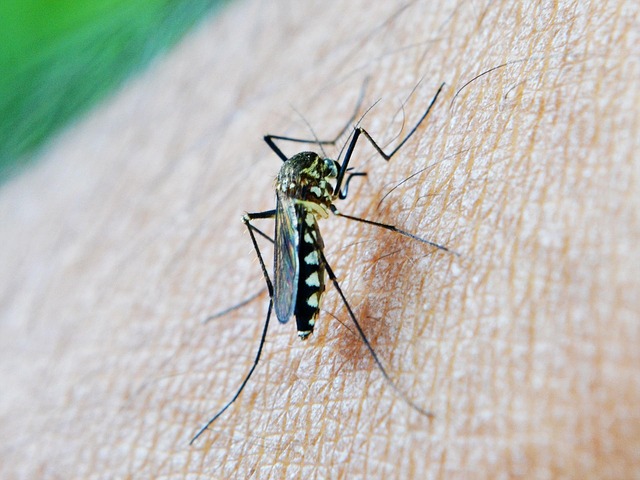
Malaria is caused by a parasite transmitted by the female Anopheles mosquito.
You often don't notice the bite, but a week later the first symptoms may appear such as; chills, muscle aches, nausea and high fever.
Because, if you are late in treating, malaria can be deadly.
Malaria Myths: What Isn't True?
There are many misconceptions about malaria. Here are a few common fables:
❌ Gin tonic doesn't help. Although quinine is a component of tonic, the amount is far too low to prevent malaria.
❌ Homeopathic remedies do not work. Only approved antimalarial drugs provide protection.
❌ You don't get malaria from another human being. Only the Anopheles mosquito can transmit the disease.
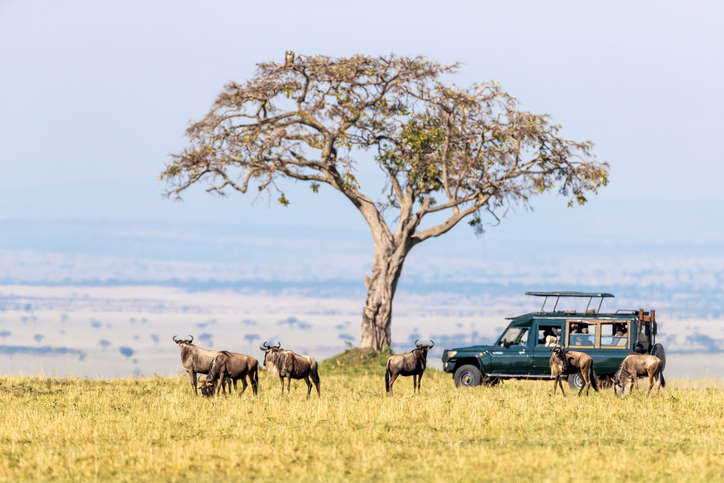
❌ Malaria is not widespread in East Africa. At altitudes above 1,700 meters, such as in Nairobi and in parts of the Kenyan coast, malaria is rare.
What We Never Forget:
Malaria: our shocking experience and what important lessons we learned after this hellish experience:
✅ Always travel prepared - We now take standard bug spray with DEET, malaria tests and the drug Coartem along.
✅ No wait and see - A sudden fever after a tropical trip? We always assume it's malaria until proven otherwise.
✅ Know your body - We pay attention to every signal and do not hesitate for a second to take action.
✅ Quick treatment saves lives - Waiting for a diagnosis is too risky. We make sure we always have medication on hand immediately.
How to Prevent Malaria.
✔️ Wear covering clothes after sunset
✔️ Use bug spray with at least 30% DEET
✔️ Sleep under a impregnated mosquito net
✔️ Provide ventilation or air conditioning (mosquitoes hate moving air)
✔️ Consider preventive medication, such as Malarone or Coartem
Our Most Important Tip:
Don't just rely on hospitals! Make sure you yourself prepared are.
Malaria is not just another "flu. Quick action can make the difference between a quick cure and a life-threatening situation.
Do you have experience with malaria or have questions?
Let me know in the comments or contact me!


 EN
EN  NL
NL